The I-10 belt through Phoenix carries cement and aggregate country, bottling and food plants, copper-side industry, and a distribution market growing on semiconductor-money construction. Arizona runs its own OSHA program. ADOSH, and sits on the shortest freight haul in our book: gangways roll up from Houston on I-10 without changing roads. Growth means new spots getting specced every month; judgment means not letting the boom size them all XL.
Arizona’s cement and aggregate plants are high-wear country. Hatch strikes, dust, heat cycles, where the maintenance conversation matters as much as the install, and where our cement playbook (offset cages, positive lockdown without running conduit, strike-recovery speed) was built. ADOSH enforces under Arizona’s own plan; the standards track the federal book closely, and the desert adds its own engineering realities. Thermal cycling and dust that punish moving parts.
The boom is the other half: new bottling lines, new DCs, new suppliers going in fast. A new line is the cheapest possible moment to get access right. Designed in as an engineering detail instead of retrofitted after the first near-miss, and the moment vendors most love to gold-plate. The walk keeps it honest.
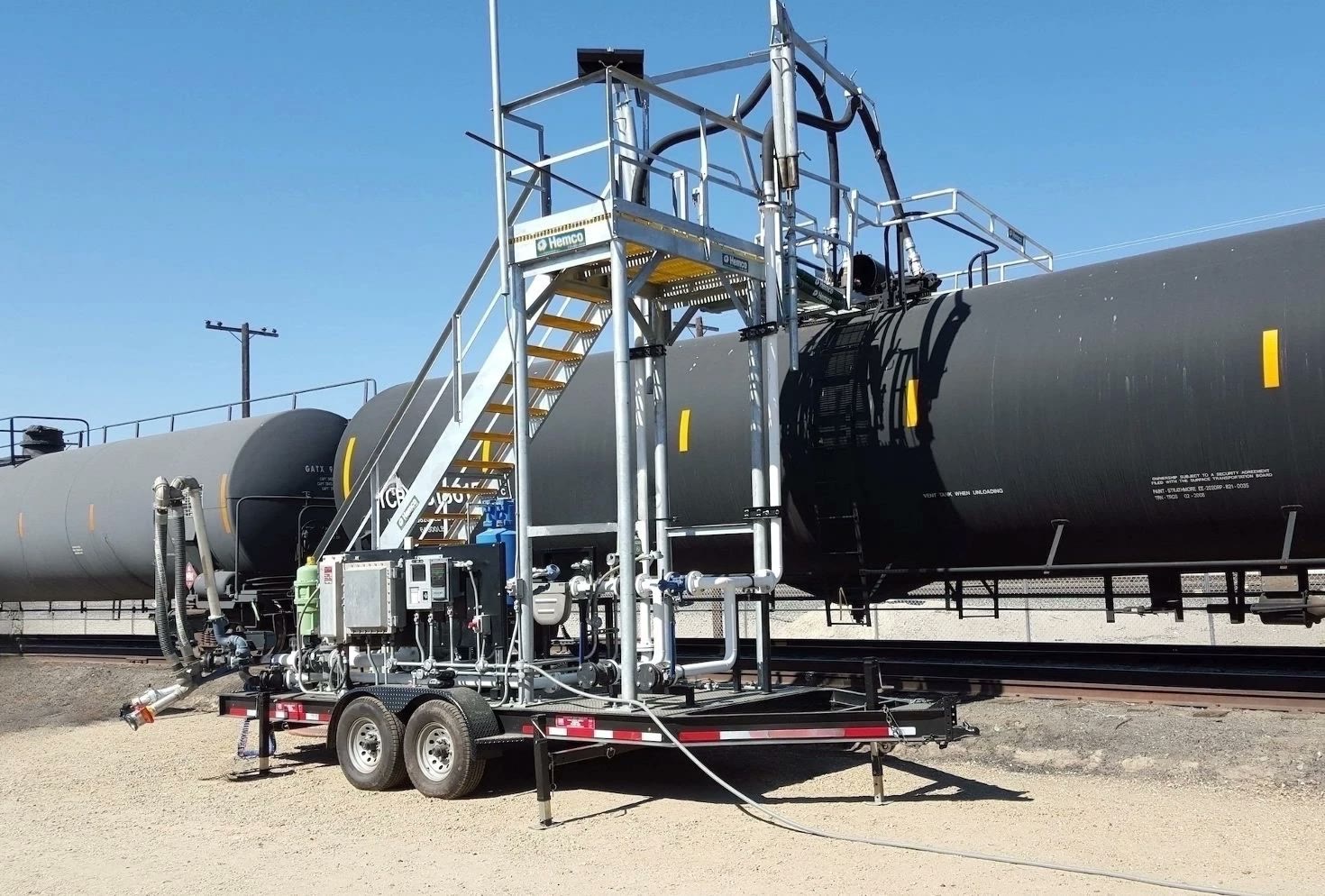
The plants and terminals feeding the Phoenix boom. Offset cages, lockdown gangways, and the strike-recovery program cement spots actually need.
Phoenix-metro beverage and food plants. Modular platforms, receiving access, and rooftop protection that doesn’t penetrate a new roof.
Fab-driven growth means new DC roofs. Hatch and skylight protection and perimeter guardrail, specced while the membrane warranty is young.
Your regional manager comes and stands in front of it. Reads it the way your state’s program is likely to, and hands you the right-sized fix with the drawing. Free, every time.
Book the visit →The spec, the measurements, or a few photos. Send it and we’ll turn the quote fast, engineered drawing and code references attached.
Start an RFQ →Yes. The Phoenix metro and the I-10 industrial belt are core coverage, with Tucson and the I-17/I-40 corridors north. Freight is the shortest haul in our territory: Houston-built gangways come straight up I-10.
Yes. Arizona runs its own program, ADOSH, under a plan at least as effective as federal OSHA. The written standards track 29 CFR 1910 closely; our reads are framed as how ADOSH is likely to judge the spot, cited to the sections our drawings reference.
It changes the judgment. Thermal cycling, dust, and UV punish moving parts and coatings, which weighs the material call (galvanized vs. aluminum), the maintenance program, and whether a seasonal spot deserves fixed or mobile access. That’s read on the walk, not in a catalog.
Cement and aggregate loading access, platforms and rooftop protection on the new bottling and distribution buildings, and design-in access reviews for lines still on the drawing board.